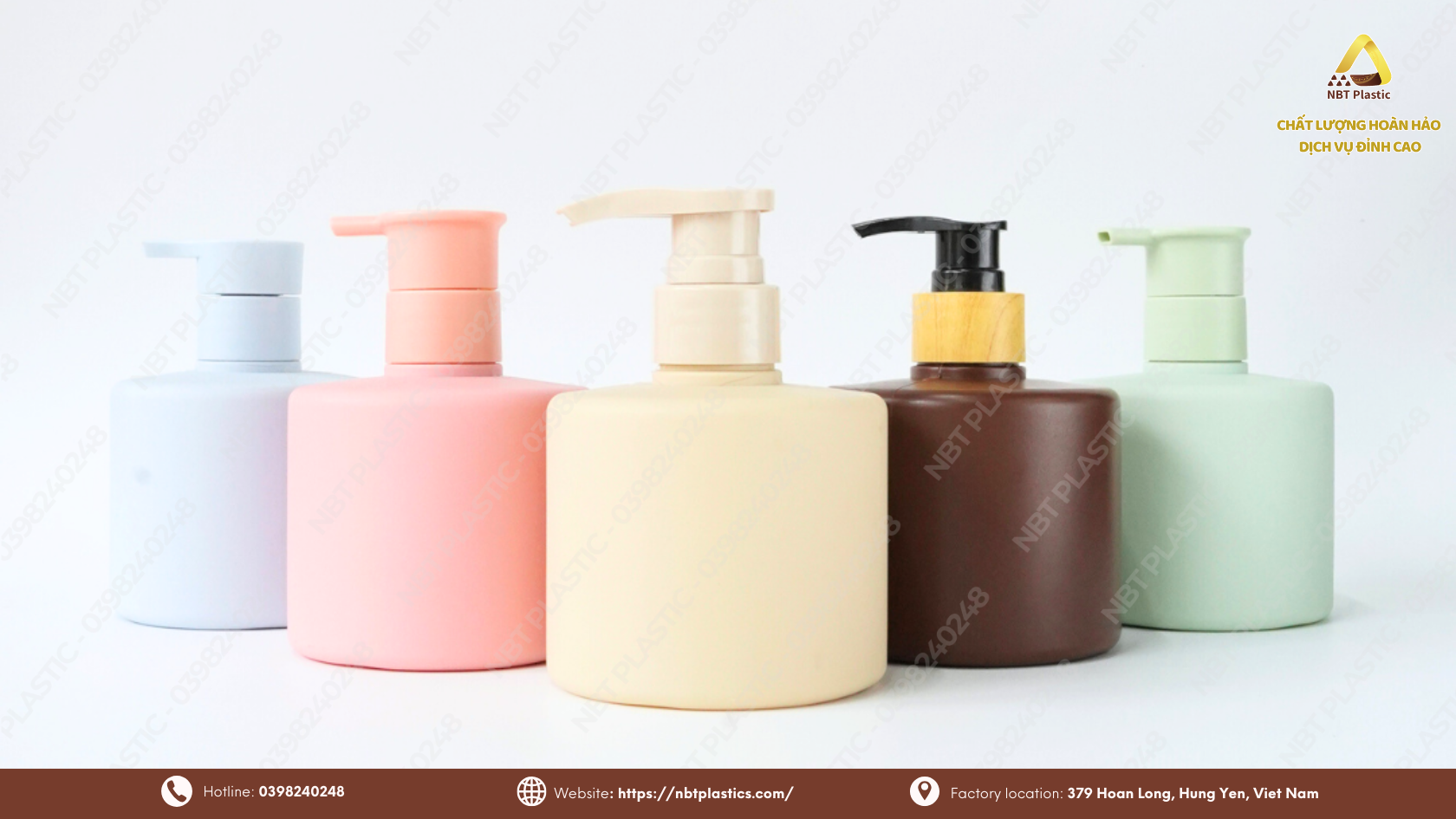
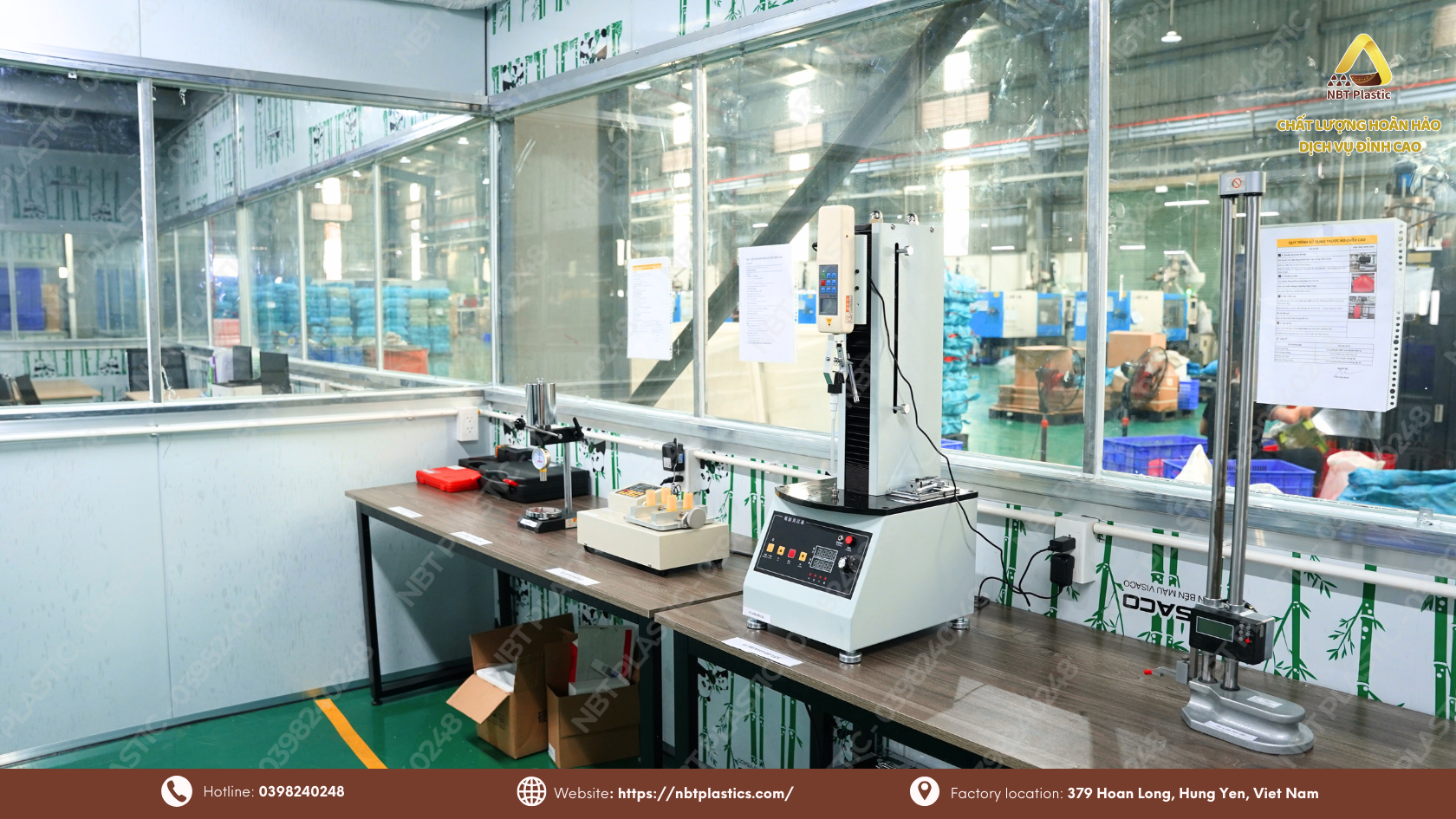
In the plastic packaging industry, especially in HDPE bottle production, quality control plays an extremely important role. Even a small error during manufacturing can lead to thread misalignment, color deviation, surface peeling, or bottle deformation – all of which directly affect brand reputation and customer experience.
Therefore, factories specializing in HDPE bottle production always establish strict HDPE bottle quality control processes, applied consistently from raw materials to finished products. The goal is to ensure that every bottle produced meets high durability standards, uniform color, smooth surface, and good aesthetics.
What is HDPE and why is strict quality control necessary
HDPE – a popular material in the packaging industry
HDPE (High-Density Polyethylene) is a thermoplastic with high mechanical strength, excellent chemical resistance, and safety for contact with cosmetics or food. Thanks to these outstanding properties, HDPE is widely used to produce shampoo bottles, shower gel containers, laundry detergent bottles, hand wash bottles, chemical containers, and pharmaceutical packaging.
However, to meet export standards or the requirements of major brands, HDPE bottle quality control is a mandatory step. When the blow molding process or color mixing is incorrect, the raw materials are of poor quality, or the mold lacks precision, large-scale product defects can easily occur.

Risks of poor quality control
If quality control is not properly managed, HDPE bottles may encounter several issues such as:
-
Thread misalignment, causing the cap to fit poorly and leading to liquid leakage.
-
Color deviation, resulting from unstable color mixing or improper temperature control.
-
Surface defects, including scratches, white spots, or uneven texture that reduce product aesthetics.
-
Bottle deformation, caused by uneven cooling or inconsistent air pressure during molding.
These problems increase production costs, lower efficiency, and negatively affect the company’s brand image.
HDPE bottle quality control process in factories
Raw material inspection
The quality of raw materials largely determines the quality of the final product. Therefore, factories usually implement the following steps:
-
Check HDPE material sources: ensure suppliers hold ISO certification or meet international safety standards.
-
Test material purity: eliminate any contaminated, moist, or excessively recycled resin.
-
Evaluate masterbatch color quality: verify heat resistance, color durability, and dispersion uniformity within the resin.
Each batch of raw materials is coded and recorded for traceability and quality tracking whenever necessary.

Control of preform extrusion and bottle blowing process
This is the most crucial stage in HDPE bottle quality control. Technical parameters such as temperature, pressure, heating time, and cooling speed must be precisely monitored.
-
Check extrusion head temperature: if it’s too high, bottles may become glossy or discolored; if too low, bottles can wrinkle or fail to reach proper stretch.
-
Monitor blowing pressure: ensures the bottle wall has uniform thickness, preventing thin areas at the neck or base.
-
Track thread concentricity: guarantees that the threads fit perfectly with the cap, avoiding misalignment or leakage.
-
Maintain molds regularly: clean and replace pins or alignment rings to preserve precision.
Technicians are trained to detect early signs of production errors so that adjustments can be made promptly.
Inspection of color and surface after molding
After the bottles are blown, the QC (Quality Control) department performs detailed inspections:
-
Color: compared against standard samples visually and with optical color measurement devices.
-
Surface: examined under white light to detect scratches, black spots, or defects.
-
Gloss and smoothness: checked to ensure consistency across the entire bottle body.
-
Logos and embossed markings: must be sharp and free from blurring or cracks.
If any color deviation or surface defect is detected, the product is separated for further analysis — typically to determine whether the issue arises from mold condition, temperature variation, or color mixing inconsistencies.
Mechanical and durability testing
To ensure safety and durability, standard tests include:
-
Wall thickness measurement: performed using an ultrasonic gauge to confirm uniformity.
-
Drop test: bottles are dropped from a height of 1–1.5 meters to check impact resistance.
-
Pressure test: evaluates the bottle’s ability to withstand internal pressure when filled with liquid.
-
Leak test: detects any leakage using testing solutions or air pressure methods.
These steps ensure that each product meets real-world performance and quality standards before reaching the market.
Finishing and packaging control
Once the bottles meet all quality requirements, the packaging process is also tightly controlled:
-
Batch inspection: defective bottles are removed before packaging.
-
Clean packaging materials: bottles are packed in PE bags or cardboard boxes to prevent dust and scratches.
-
Retention samples: stored for reference in case of quality issues.
Each batch is labeled with a QR code or production code for quick traceability when needed.
Advanced technology in HDPE bottle quality control
Modern factories now integrate automation and AI to improve precision and efficiency:
-
AI surface inspection cameras: detect color inconsistencies and scratches in real time.
-
3D thread measurement machines: use laser technology to verify cap-thread alignment.
-
Smart sensors: automatically adjust temperature and pressure during the blow molding process.
These technologies minimize manual errors and ensure consistent, high-quality HDPE bottles.
Benefits of strict HDPE bottle quality control
Maintaining a rigorous quality control process delivers multiple benefits:
-
Reduces defective rates and production costs.
-
Ensures consistency across batches, building customer trust.
-
Enhances brand image and demonstrates manufacturing professionalism.
-
Meets export standards for demanding international markets.
-
Supports sustainable production by reducing waste and enabling recycling.
Conclusion
Quality control in HDPE bottle manufacturing is not only a technical process but also a commitment to reliability and responsibility.
From raw material inspection to molding and final packaging, every stage is carefully monitored to guarantee durability, color accuracy, and visual appeal.
Thanks to this strict process, manufacturers can effectively prevent thread mismatch, color deviation, and surface defects — strengthening customer confidence and promoting long-term growth in the plastic packaging industry.


 Tiếng Việt