

 Tiếng Việt
In the plastic packaging industry, PET and HDPE are the two most commonly used materials, widely applied in food, cosmetics, pharmaceuticals, and beverages. However, many businesses face difficulties in distinguishing between the two when selecting packaging, which can lead to choosing the wrong material – potentially affecting product quality or brand image. To provide a clearer perspective, this article analyzes in detail the differences between PET and HDPE bottles, while highlighting the advantages and disadvantages of each type.
Nội dung chính
Common Characteristics of PET and HDPE Bottles
-
PET (Polyethylene Terephthalate): A transparent, lightweight, and durable thermoplastic with good impact resistance. It is commonly used in the beverage industry, liquid cosmetics, and food packaging.
-
HDPE (High Density Polyethylene): A thermoplastic with high molecular density, featuring an opaque, thick surface, excellent gas barrier properties, and strong resistance to chemicals. It is typically used for cream-based cosmetics, shampoos, shower gels, and pharmaceutical products.
Both materials are safe for direct contact with food and recyclable. However, their physical properties and practical applications differ significantly.
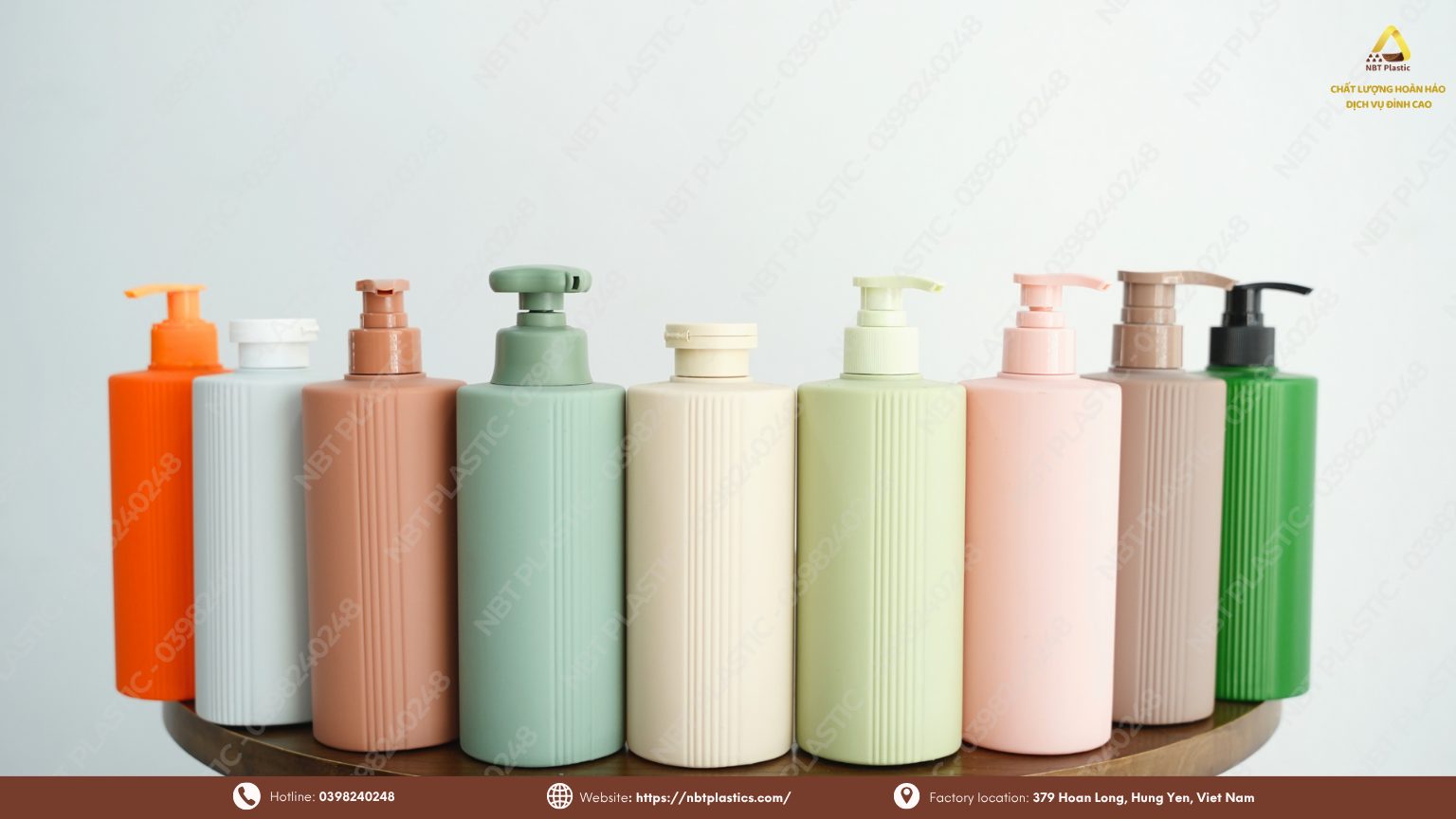
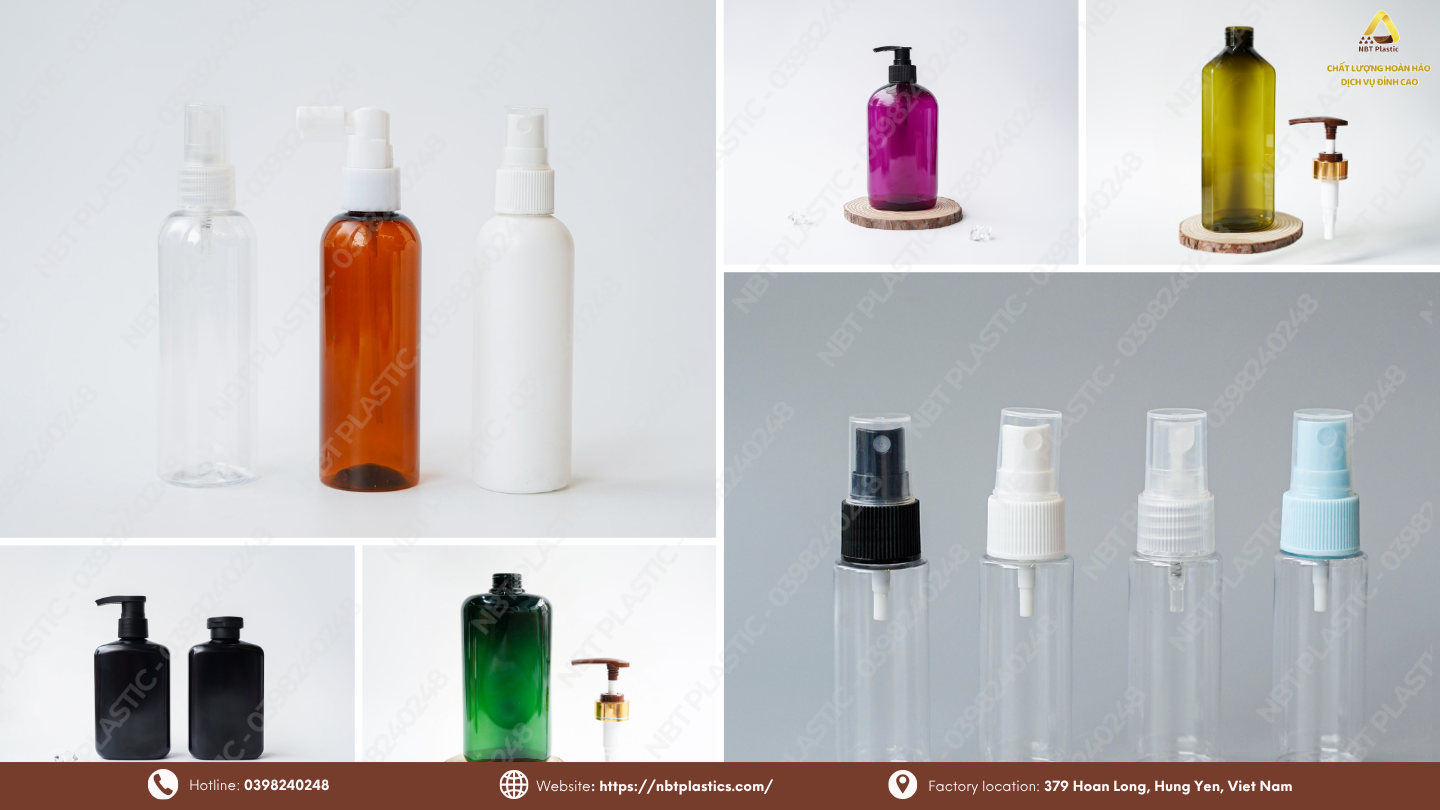
Detailed Comparison Between PET and HDPE Bottles
| Criteria | PET | HDPE |
|---|---|---|
| Transparency | Clear, glossy, allows visibility of the product inside | Opaque, minimal light penetration |
| Weight | Lightweight, easy to transport | Slightly heavier, thicker |
| Durability | Good impact resistance but lower heat resistance | Strong, heat-resistant, less prone to deformation |
| Gas Barrier | Moderate, easily affected by oxygen | Excellent, ideal for long-term preservation |
| Aesthetics | High, suitable for premium products | Practical, sturdy appearance |
| Main Applications | Beverages, soft drinks, serums, toners, perfumes | Creams, lotions, shampoos, pharmaceuticals, cleaning products |
Advantages and Disadvantages of PET Bottles
PET bottles have long been a popular choice in the packaging industry thanks to their numerous advantages. First and foremost, PET offers high transparency and gloss, creating a premium look while allowing consumers to clearly see the product inside. This is particularly valuable in the beverage and cosmetics industries, where transparency and aesthetics enhance trust.
In addition, PET is lightweight, making transportation easier and helping reduce logistics costs, making it suitable for both domestic and export markets. Another major strength of PET is its design flexibility—it can be molded into round, square, long-neck, or unique shapes, providing brands with a wide range of creative options.
Moreover, the production cost of PET is relatively low, enabling businesses to optimize expenses without compromising on visual appeal.

However, PET bottles also come with certain limitations that businesses should keep in mind. The biggest drawback is their low heat resistance—they are easily deformed when exposed to high temperatures, making them unsuitable for products that require sterilization at elevated heat levels. PET also has limited gas barrier properties, which means the contents inside are more prone to oxidation or quality degradation if long-term preservation is needed. In addition, the PET surface is relatively prone to scratching, which can cause the packaging to deteriorate quickly and reduce the product’s aesthetic value. Therefore, when choosing PET bottles, businesses should carefully consider the characteristics of their products and intended usage to maximize advantages while minimizing drawbacks.
Advantages and Disadvantages of HDPE
Compared to PET, HDPE bottles are highly valued for their durability and superior product protection. The biggest advantage of HDPE is its thickness and sturdiness, which allows bottles to withstand strong impacts and resist deformation during transportation or storage. This material also offers excellent heat resistance and chemical resistance, making it suitable for products with thick or sensitive formulations, or those containing strong active ingredients such as creams, lotions, shampoos, cleansing solutions, and pharmaceuticals.
Another significant benefit is its outstanding gas and moisture barrier, which helps maintain product quality for a long time and limits the penetration of oxygen and bacteria. With its safe properties, HDPE meets strict standards for packaging in direct contact with cosmetics, pharmaceuticals, and food.

However, HDPE also has certain limitations that businesses should consider. Its biggest drawback is the opaque surface, which prevents customers from seeing the product inside. This can reduce visual appeal and make it harder to create a “premium” feel for the brand, especially in the cosmetics and beverage industries. In addition, HDPE is heavier than PET, leading to slightly higher transportation costs when produced in large quantities. From a design perspective, HDPE is also less flexible than PET in terms of creating complex shapes, and is usually more suitable for basic designs.
Overall, HDPE bottles are best suited for products that require durability, strong preservation ability, and absolute safety, while transparency and premium aesthetics are not the top priorities.
👉 See more: https://nbtplastics.com/en/1-layer-hdpe-bottle-and-2-layer-hdpe-bottle/
Should You Choose PET or HDPE Bottles?
It is clear that both PET and HDPE bottles have their own advantages and limitations, making them suitable for different needs. PET stands out with its transparency, light weight, design flexibility, and competitive cost, making it ideal for products that require high aesthetics such as beverages, perfumes, serums, and toners. On the other hand, HDPE is thicker, sturdier, heat-resistant, and provides excellent gas barrier properties, making it the optimal choice for cream-based cosmetics, lotions, shampoos, or pharmaceutical products that require long-term preservation.
The key for businesses is to carefully consider product characteristics, customer preferences, and distribution channels in order to make the right decision.
In today’s increasingly demanding market, partnering with a reliable manufacturer helps minimize risks and maximize efficiency. NBT Plastic—a professional plastic packaging manufacturer in Vietnam—offers full-service solutions for both PET and HDPE bottles. With modern production lines, a skilled technical team, and strict international standards, NBT Plastic not only guarantees product quality but also provides optimal solutions in terms of cost, design, and delivery time. This is a strong advantage that helps cosmetics, food, and pharmaceutical brands confidently expand their presence in both domestic and export markets.